Introduction
Artificial Intelligence (AI) has rapidly transitioned from a niche technological concept into a central force shaping economies, societies, and governance structures worldwide. From healthcare diagnostics and financial modeling to autonomous vehicles and generative tools, AI’s influence is both transformative and disruptive. However, as its capabilities expand, so do concerns about ethics, privacy, bias, misinformation, and control. This has prompted governments, international organizations, and private entities to develop regulatory frameworks aimed at ensuring AI is used responsibly.
This article explores the evolving landscape of AI regulation, examining global developments, key challenges, policy approaches, and what lies ahead.

Why AI Regulation Matters Artificial Intelligence
AI systems can make decisions that significantly affect human lives. Whether it’s approving loans, diagnosing diseases, or moderating online content, these systems often operate with limited transparency. Without proper oversight, AI can amplify societal inequalities, invade privacy, and even pose security risks.
Key reasons for regulating AI include:
- Protection of fundamental rights: Preventing discrimination and ensuring fairness.
- Accountability: Establishing responsibility when AI systems cause harm.
- Transparency: Making AI decisions understandable to users and regulators.
- Safety: Ensuring systems operate reliably without causing unintended damage.
- Trust: Building public confidence in AI technologies.
Global Landscape of Artificial Intelligence
European Union: Leading the Way
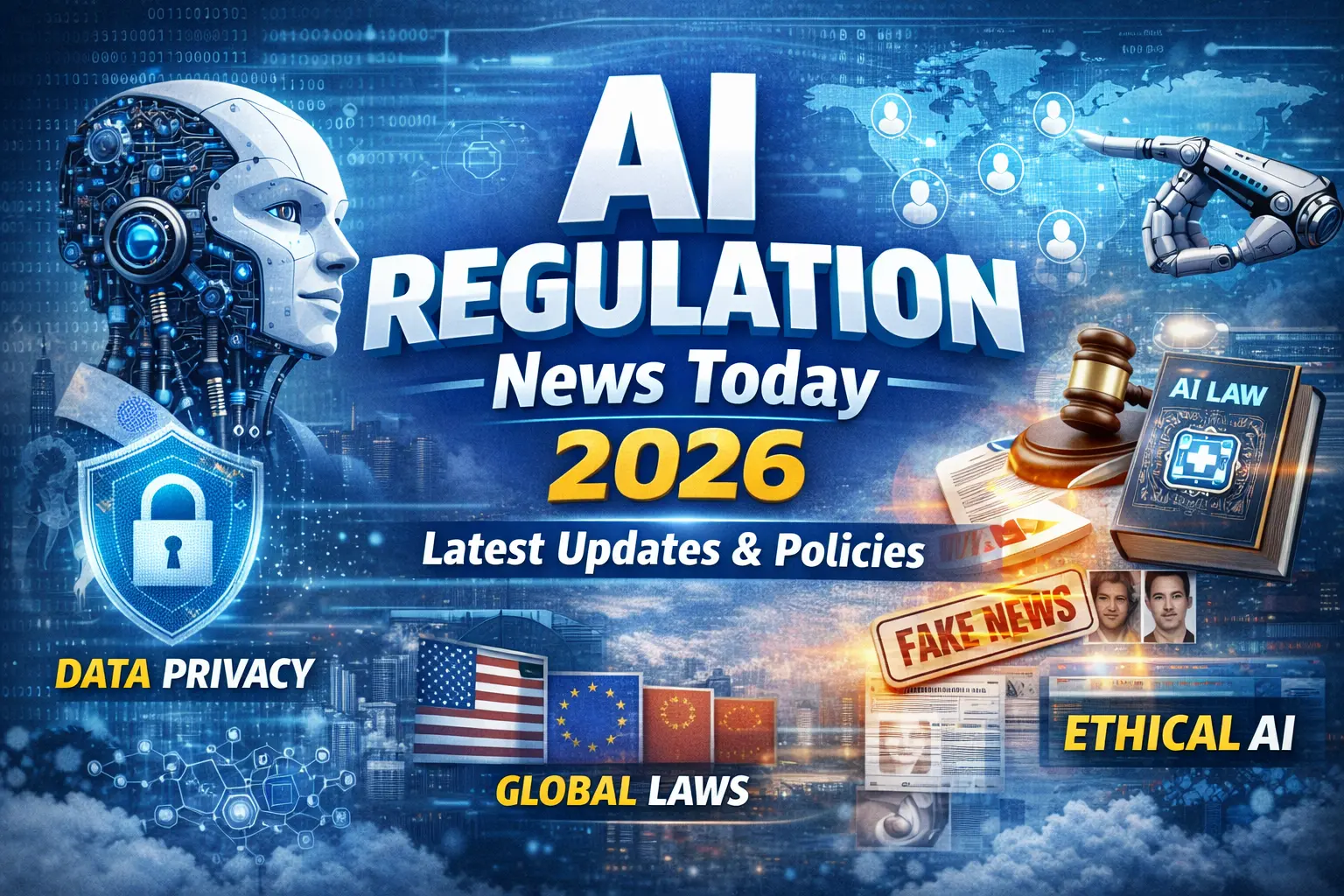
The European Union (EU) has taken a pioneering role in AI regulation with its comprehensive approach. The EU’s regulatory framework focuses on a risk-based model, categorizing AI systems into different levels of risk:
- Unacceptable Risk: Systems that threaten human rights (e.g., social scoring).
- High Risk: Systems used in critical sectors like healthcare or law enforcement.
- Limited Risk: Systems requiring transparency (e.g., chatbots).
- Minimal Risk: Low-impact applications with minimal regulation.
The EU emphasizes strict compliance, transparency, and heavy penalties for violations. Its approach is often seen as setting a global standard.

United States: Sector-Specific Approach
Unlike the EU, the United States follows a more decentralized approach. Instead of a single comprehensive law, AI regulation Artificial Intelligence is handled through sector-specific policies and guidelines.
Key characteristics include:
- Focus on innovation and economic competitiveness.
- Guidelines issued by agencies like the Federal Trade Commission (FTC).
- Voluntary frameworks and industry self-regulation.
Recent developments show increasing interest in stronger federal oversight, especially concerning generative AI and data privacy.
China: Centralized Control
China has adopted a strict and centralized approach to AI regulation. The government enforces tight control over how AI is developed and deployed, particularly in areas like content generation and surveillance.
Notable aspects:
- Mandatory algorithm registration.
- Strict content moderation rules.
- Emphasis on aligning AI with state policies and values.
China’s model prioritizes control and stability over openness.

United Kingdom and Others
Countries like the UK, Canada, and Australia are developing flexible regulatory frameworks. These often combine innovation-friendly policies with ethical guidelines.
The UK, for example, favors a “pro-innovation” approach, allowing regulators in different sectors to oversee AI applications rather than imposing a single law.
Key Issues in AI Regulation
1. Bias and Discrimination
AI systems learn from historical data, which may contain biases. This can lead to discriminatory outcomes in hiring, lending, policing, and more.
Regulators are focusing on:
- Auditing datasets.
- Ensuring diverse training data.
- Mandating fairness assessments.
2. Privacy Concerns
AI relies heavily on data, often personal and sensitive. Without safeguards, this can lead to misuse or unauthorized access.
Key regulatory actions include:
- Data protection laws.
- Consent requirements.
- Limits on data collection and usage.

3. Transparency and Explainability
Many AI systems operate as “black boxes,” making it difficult to understand how decisions are made.
Solutions being explored:
- Explainable AI (XAI).
- Mandatory disclosures.
- User rights to explanations.
4. Accountability and Liability
When AI systems cause harm, determining responsibility can be complex.
Questions include:
- Is the developer, user, or company liable?
- How do we assign fault in autonomous systems?
Regulators are working on frameworks to address these challenges.
5. Misinformation and Deepfakes
Generative AI has made it easier to create realistic fake content, posing risks to democracy and public trust.
Regulatory responses:
- Labeling AI-generated content.
- Penalizing malicious use.
- Monitoring social media platforms.
6. National Security Risks
AI can be used in cyberattacks, surveillance, and military applications. Governments are increasingly concerned about its implications for national security.
Measures include:
- Export controls on advanced AI technologies.
- Restrictions on foreign access.
- Investment in domestic AI capabilities.
Industry Response and Self-Regulation
Tech companies are not waiting for governments to act. Many have introduced their own guidelines and ethical frameworks.
Examples of industry actions:
- Establishing AI ethics boards.
- Publishing transparency reports.
- Limiting harmful use cases.
However, critics argue that self-regulation is insufficient and often lacks enforcement.
The Role of International Cooperation
AI is a global technology, making international collaboration essential. Organizations are working to create unified standards and guidelines.
Key goals include:
- Harmonizing regulations across borders.
- Sharing best practices.
- Preventing regulatory fragmentation.
Without cooperation, companies may face conflicting rules in different regions.
Challenges in Implementing AI Regulation
Rapid Technological Advancement
AI evolves faster than legislation. By the time laws are enacted, they may already be outdated.
Balancing Innovation and Control
Too much regulation can stifle innovation, while too little can lead to harm. Finding the right balance is a constant challenge.
Enforcement Difficulties
Monitoring AI systems and ensuring compliance is complex, especially for cross-border technologies.
Lack of Expertise
Many policymakers lack technical knowledge, making it difficult to craft effective regulations.

Emerging Trends in AI Regulation
Risk-Based Frameworks
More countries are adopting risk-based approaches similar to the EU, focusing resources on high-risk applications.
AI Audits
Independent audits are becoming a key tool for ensuring compliance and fairness.
Ethical AI Principles
Governments and organizations are emphasizing principles like fairness, accountability, and transparency.
Regulation of Generative AI
With the rise of tools like AI chatbots and image generators, new rules are being developed to address their unique risks.
The Future of AI Regulation
AI regulation is still in its early stages, but several trends are likely to shape its future:
- Global Standards: Efforts to create international norms will intensify.
- Stronger Enforcement: Penalties for violations will become stricter.
- Increased Transparency: Users will demand more insight into AI systems.
- Public Participation: Citizens will play a greater role in shaping policies.
- Adaptive Regulations: Laws will become more flexible to keep pace with technology.
Conclusion
AI regulation Artificial Intelligence is not just a technical issue—it is a societal necessity. As AI continues to influence every aspect of life, the need for thoughtful, effective governance becomes more urgent. While different regions have adopted varying approaches, the underlying goal remains the same: to harness the benefits of AI while minimizing its risks.
The path forward will require collaboration between governments, industry, and society. Only through collective effort can we ensure that AI serves humanity in a fair, safe, and ethical manner.
Final Thoughts
The debate around AI regulation is far from settled. As technology evolves, so too must the frameworks that govern it. The challenge lies not only in creating rules but in ensuring they are effective, adaptable, and globally relevant.
AI has the potential to redefine the future. The question is not whether it should be regulated—but how.